Rademacher Start2Smart bridge
Smart home Ethernet to radio bridge from German company Rademacher, working with their DuoFern ecosystem.
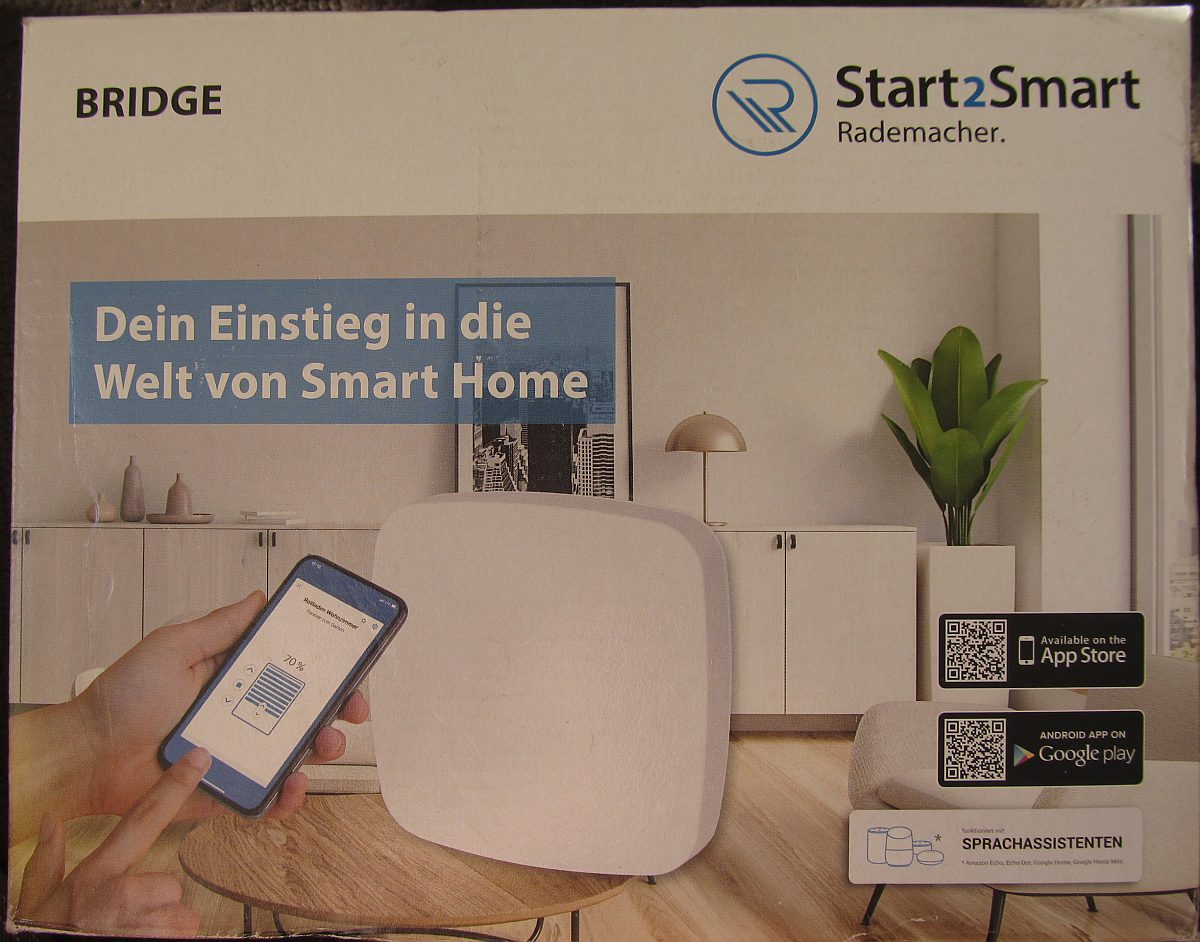
Box contains bridge itself, power supply, Ethernet cable and short manual.
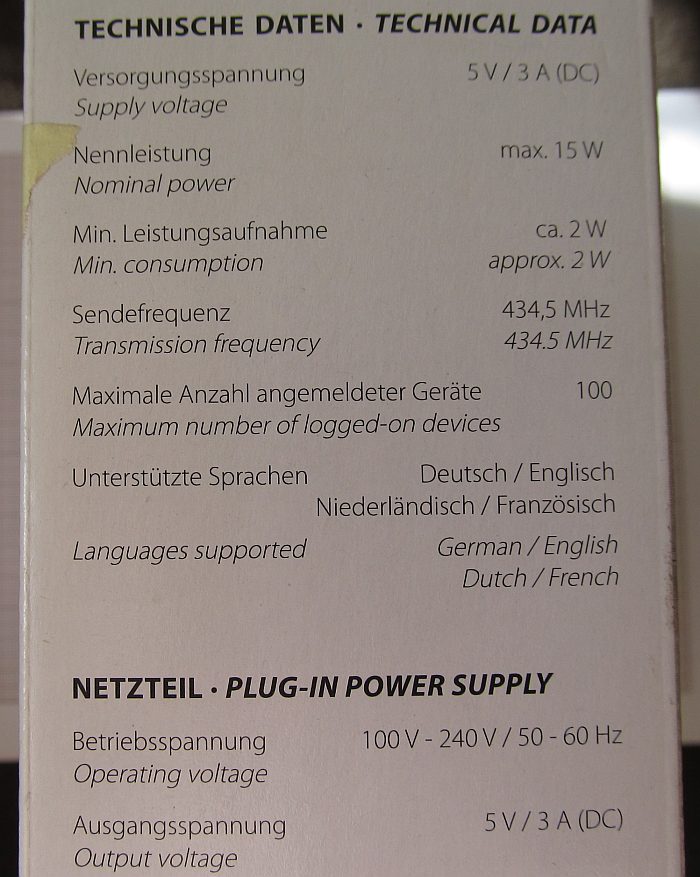
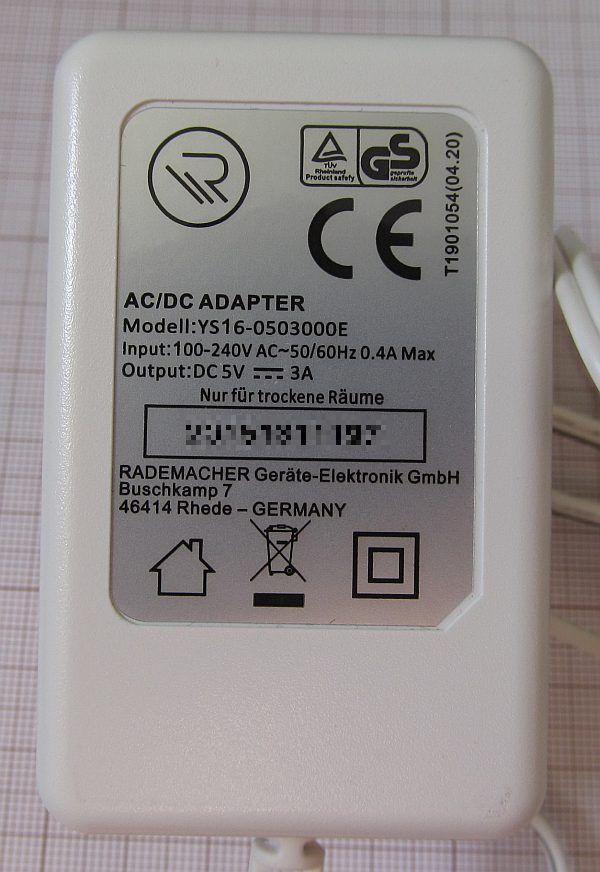
Nicely looking 5 V / 3 A power supply with 2 m cable and barrel plug.
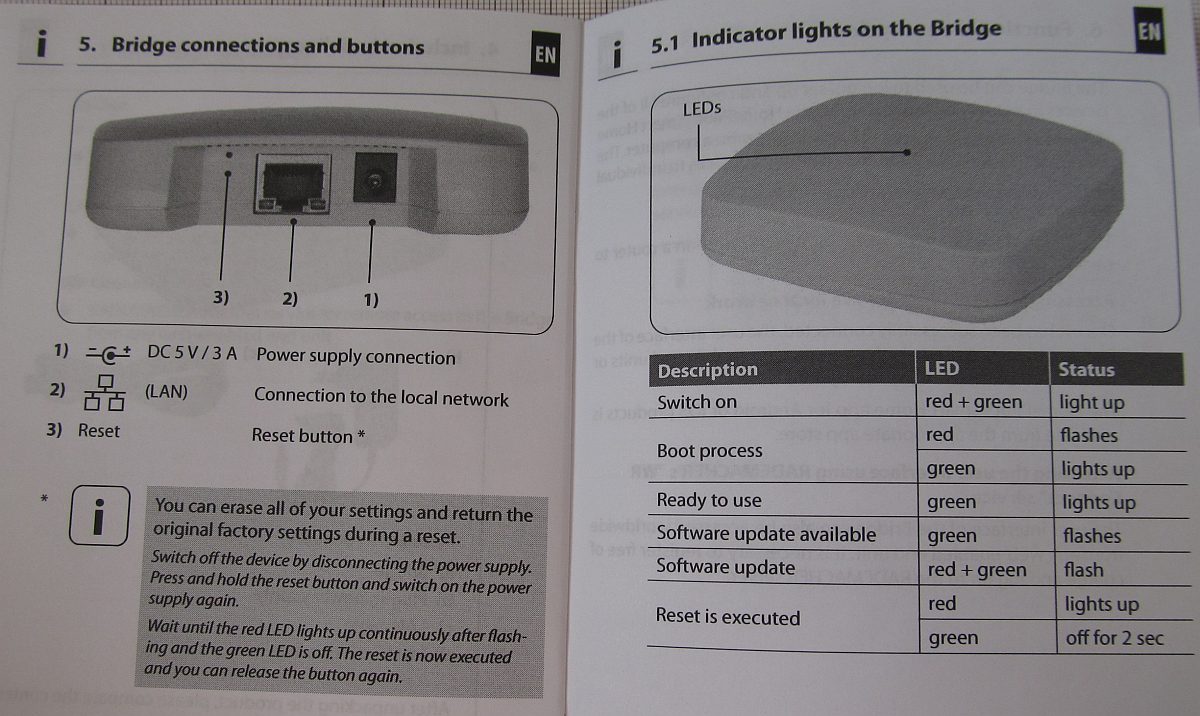
There is a round spot in the middle of the shell where plastic is thinner. Underneath there are two LEDs signalling state.
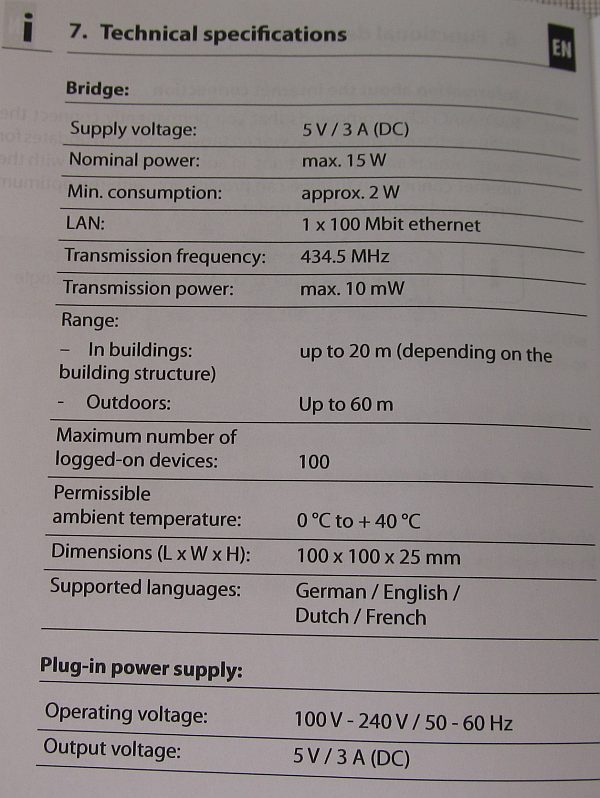
Radio link works on 434.5 MHz with up to 10 mW power. Declared communication range: 20 meters indoors, 60 meters outdoors.
While instruction specifies up to 15 W power consumption, this is definitely overestimation - it would melt plastic shell
and/or force SoC thermal protection very quickly.
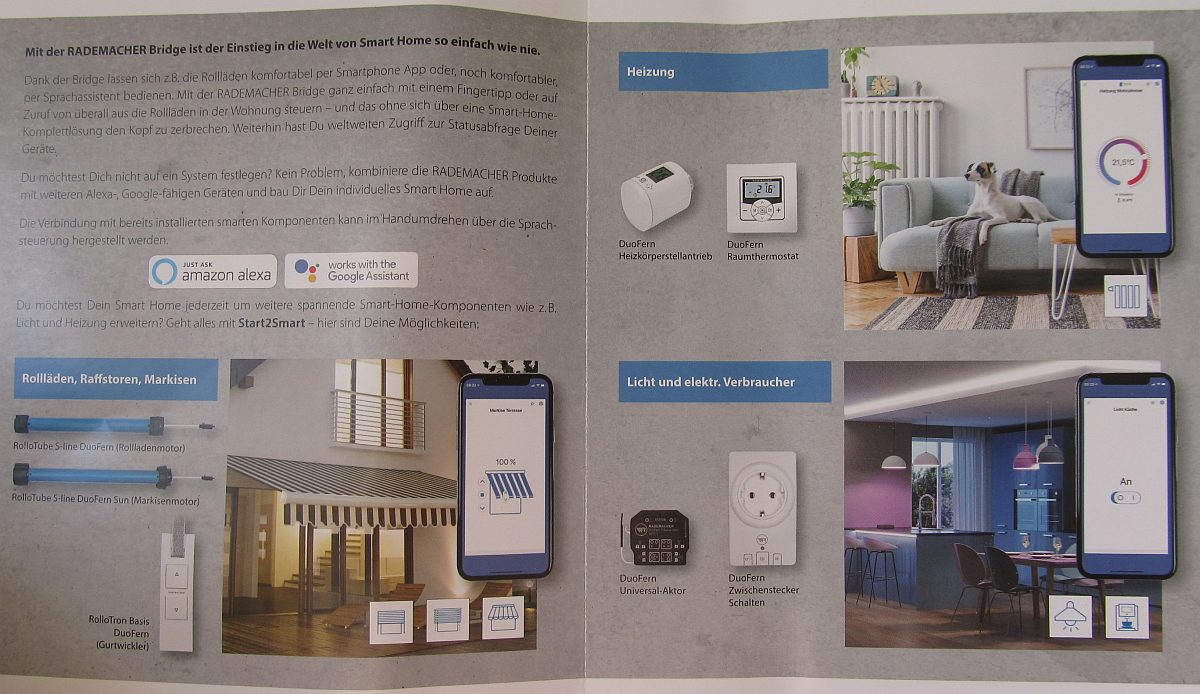
This system seems to be mostly known for Rollotron windows blinds.
There are only few devices listed, though amazon shows larger variety, including different remote controllers,
garage door opener, sunlight sensor, smoke sensor, sunlight sensor + wind meter.
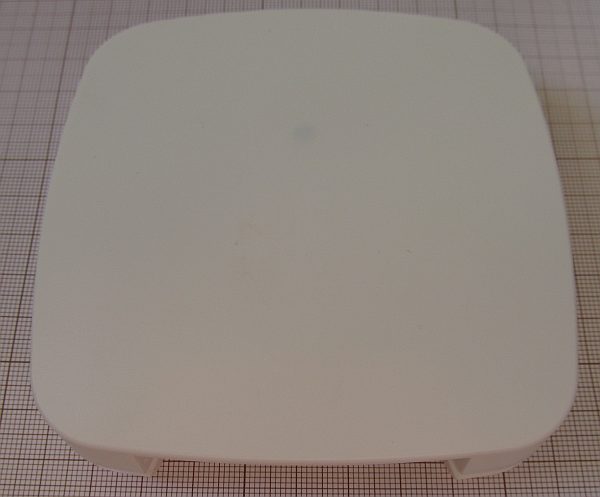
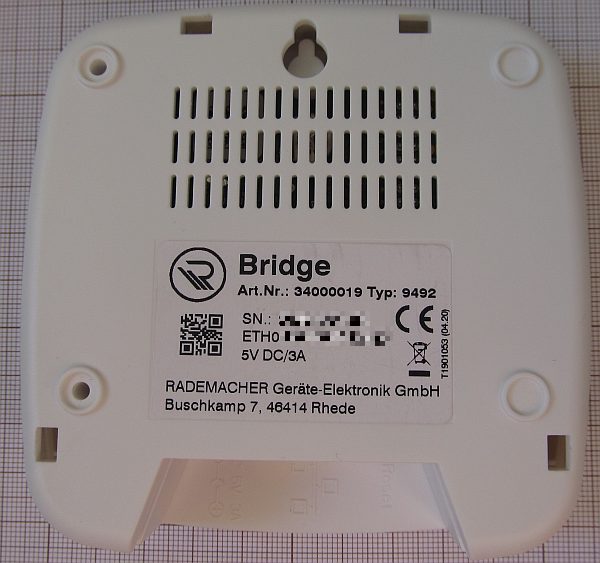
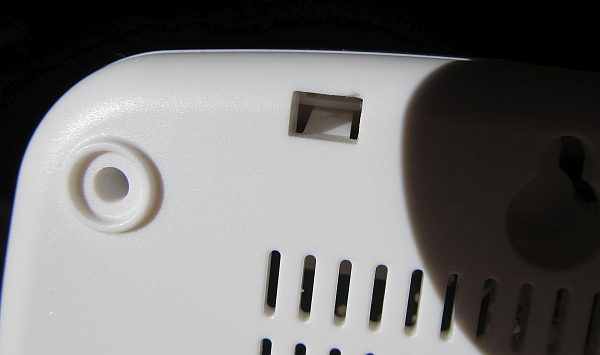
Shell is held together by four plastic latches that can be relatively easy opened using flat screwriver.
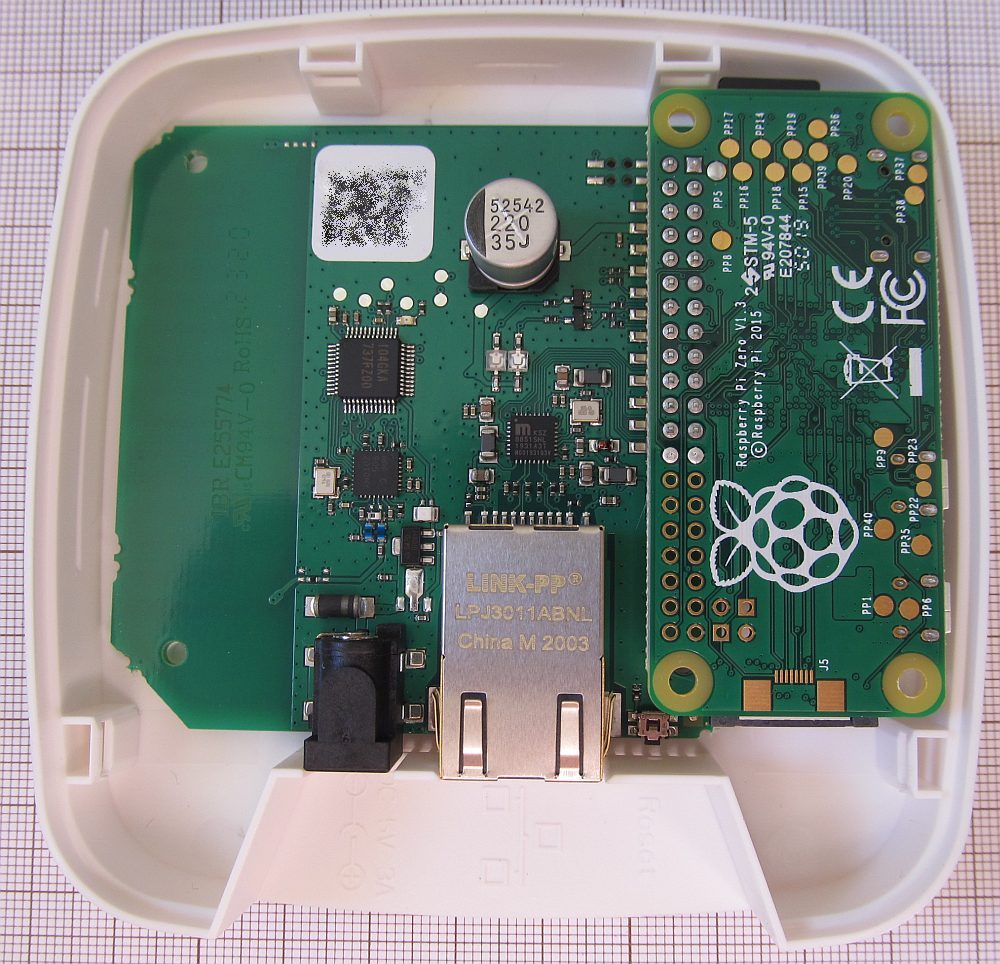
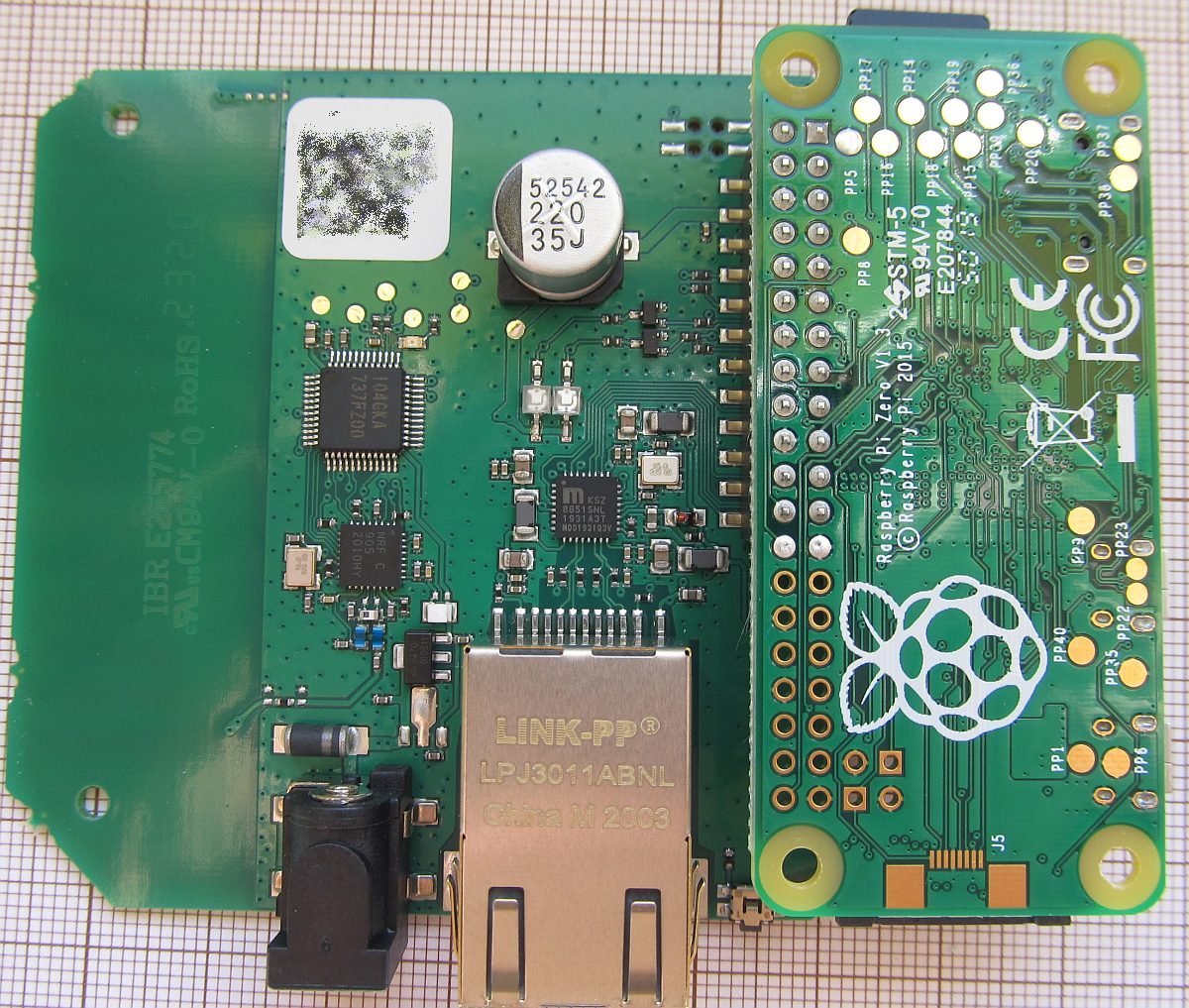
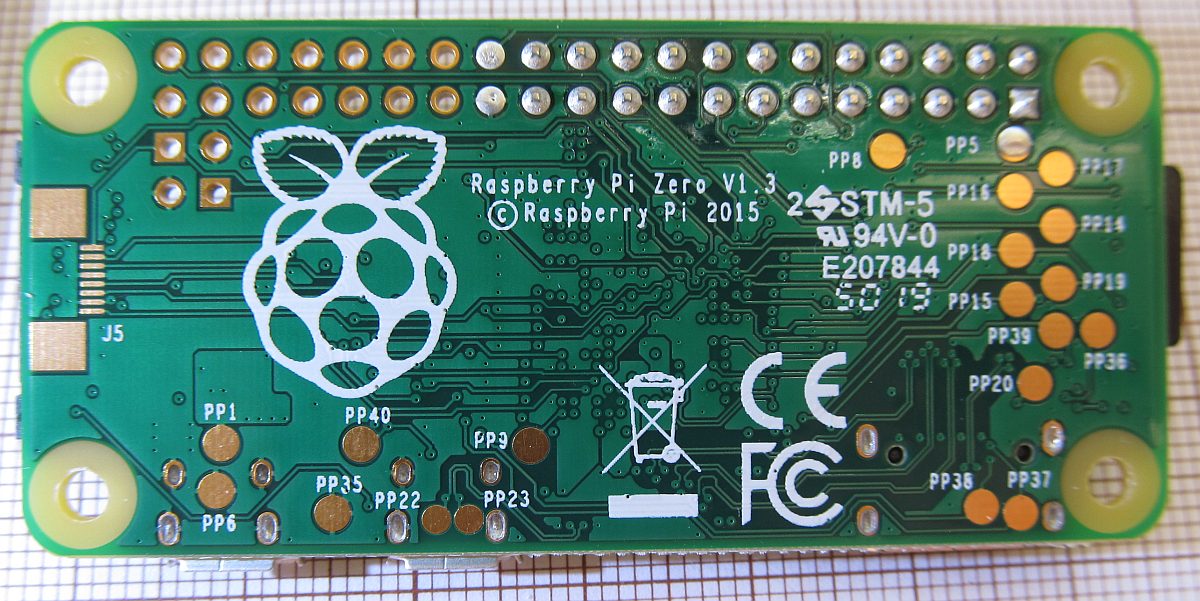
Now it gets interesting. Raspberry Pi Zero V1.3 connected to base board with Ethernet and radio.
PCB antenna.
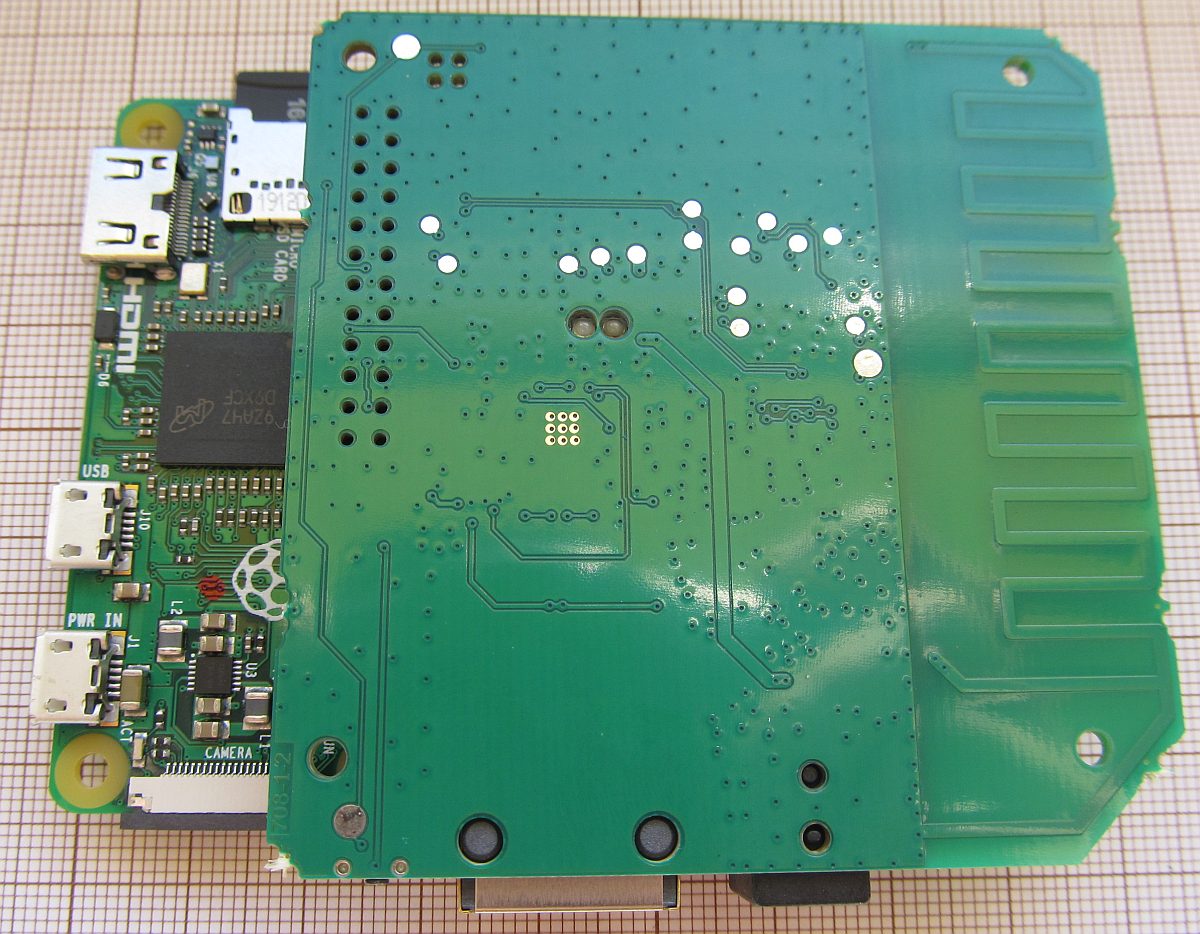
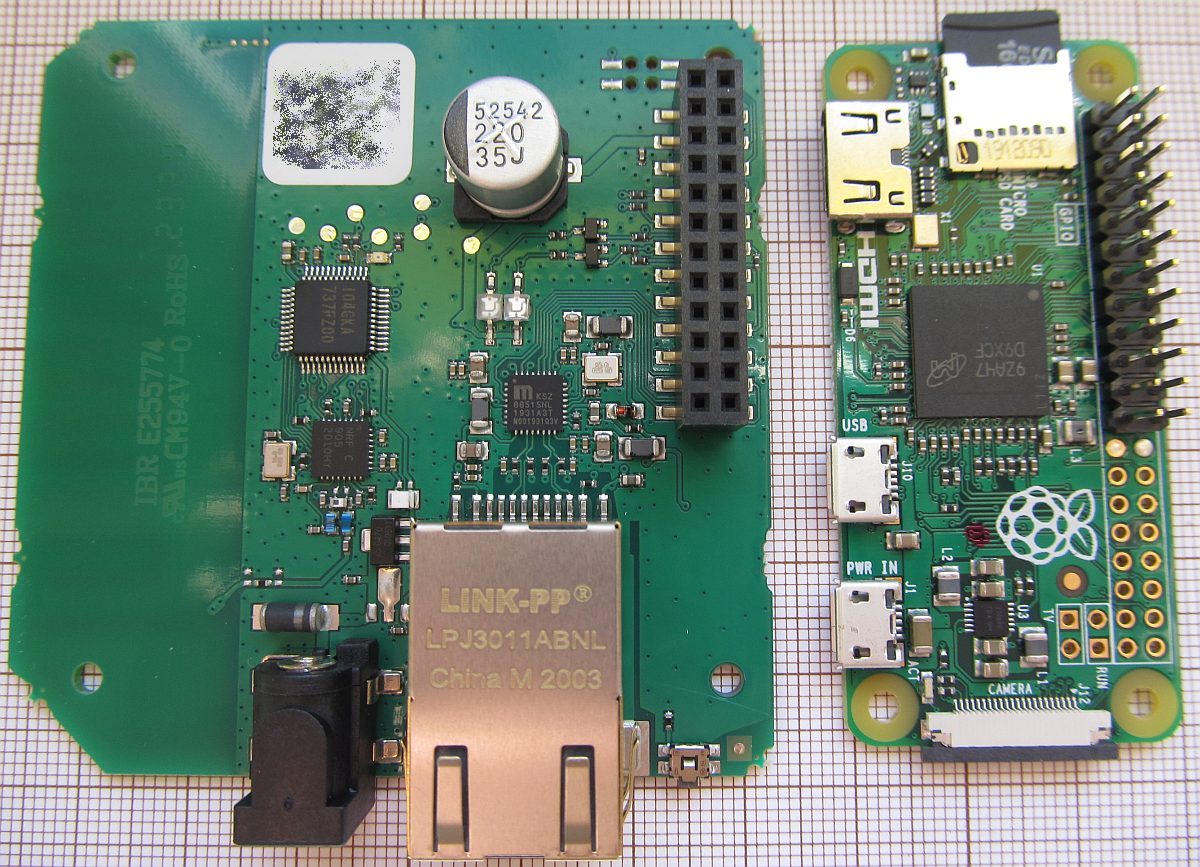
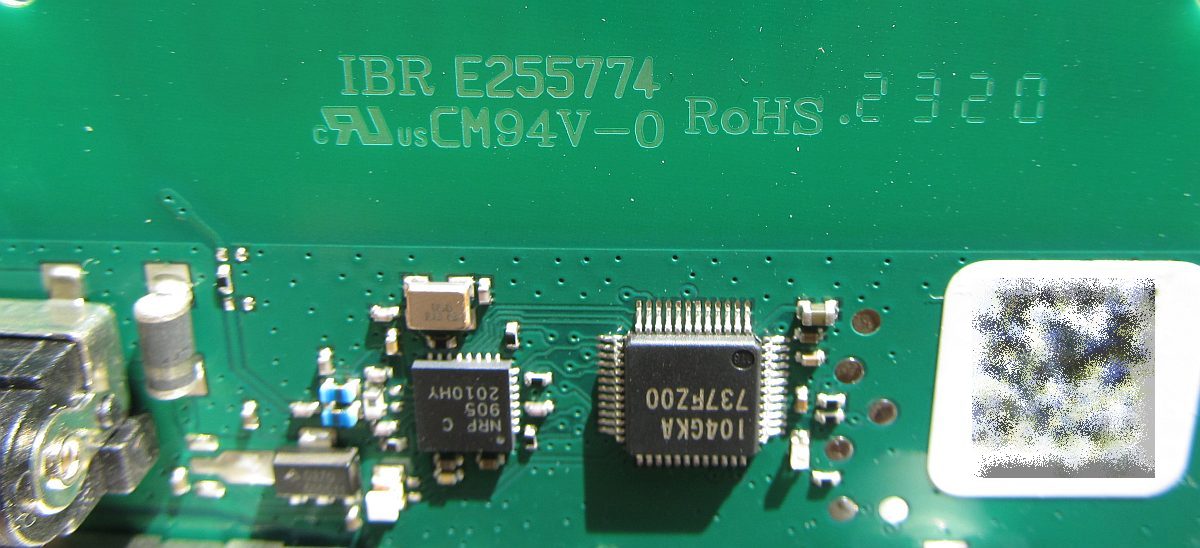
It looks like it was made in 2020.
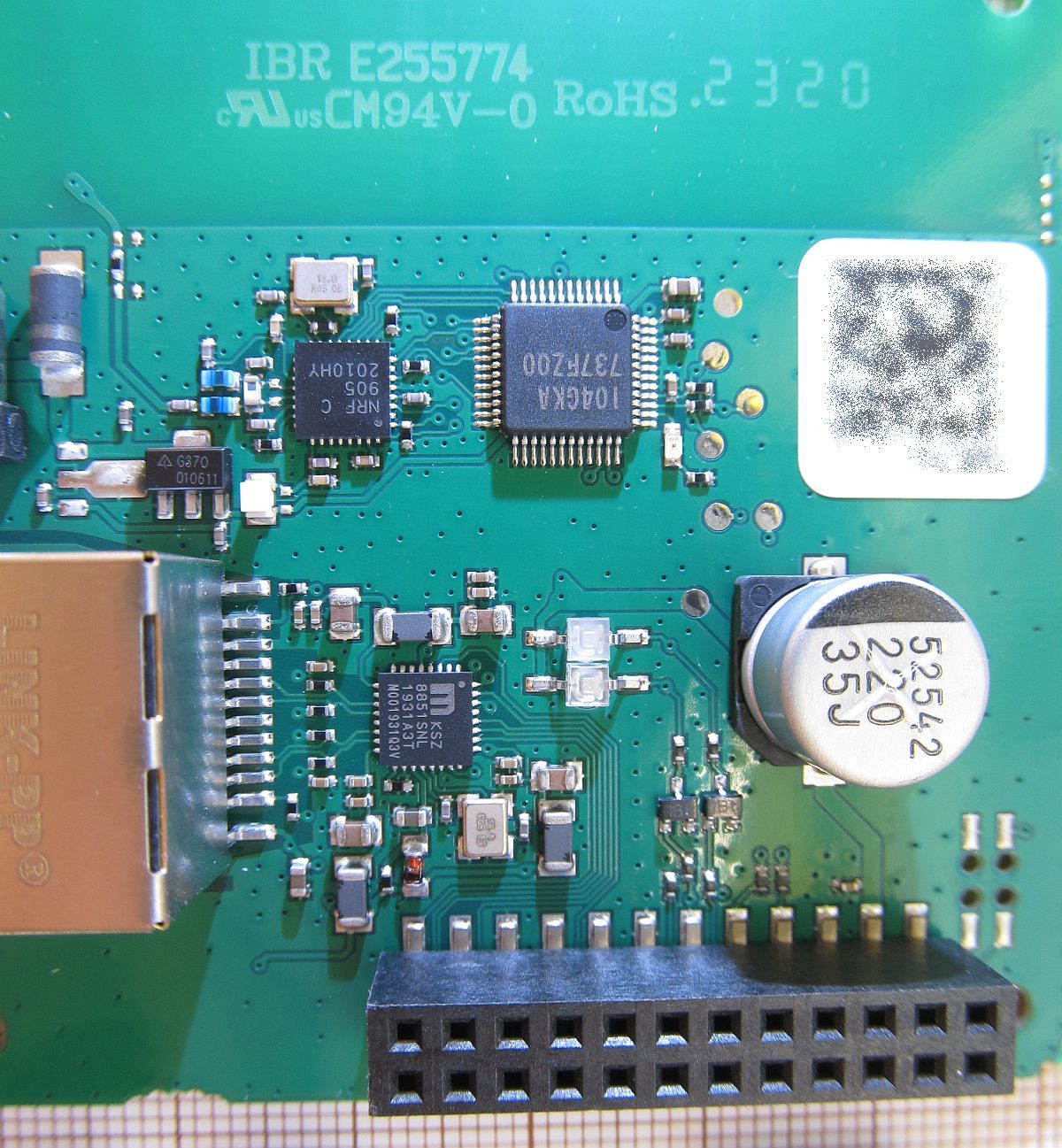
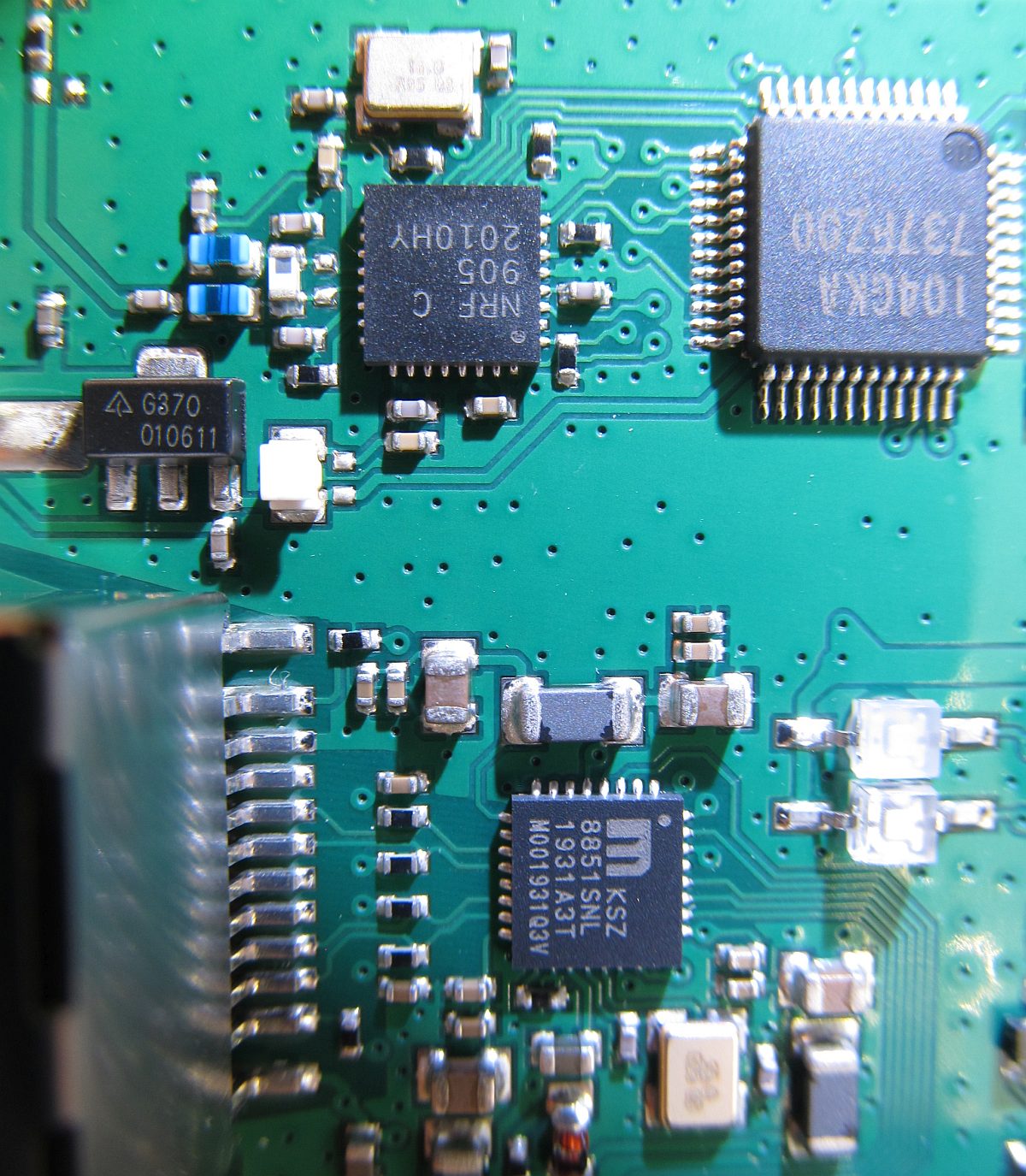
KSZ8851SNL Ethernet PHY+MAC from Micrel (now: Microchip), communicating via SPI with clock up to 40 MHz.
NRF905 multiband radio transceiver from Nordic.
104GKA 737FZ00 - Renesas R5F104GKA microcontroller, 16-bit RL78 family. 384kB FLASH, 8kB Data flash, 32kB RAM, 48-pin package.
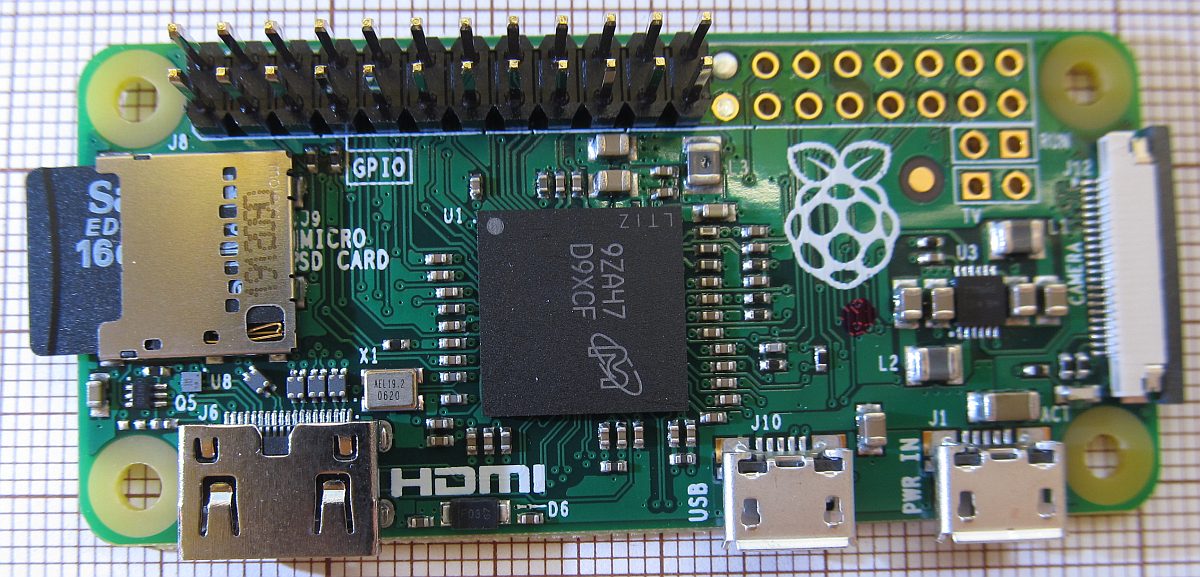
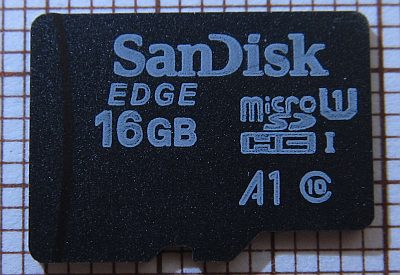
16 GB Sandisk Edge, A1 class (min 1500 random read, 500 random write operations per seconds, minimum 10 MB/s sequential write)
- one of the cards recommended by RPi shop.
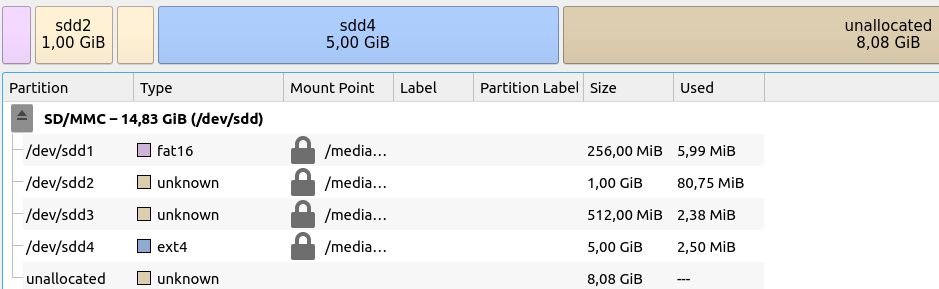
SD card partitioning. I'm not sure if this particular card had not lost some data,
but otherwise it seems like a relatively lightweight linux build.
Core application is named "HomePilot" (same as android app) and it is based on Java.
While I had some problems with android application (maybe this was just my phone), web browser can be used to connect to the bridge directly and it seems more reliable to me.
It looks like "bridge" and "HomePilot" devices differ in functionality - device page says that Scenes and Triggers are supported only by HomePilot system.
Copy of device license page: HomePilot_Bridge Legal.html.
To use this device as a generic Linux machine I've prepared small buildroot-based Linux image: https://github.com/tomek-o/br2-rademacher-bridge. I do not have use for 433MHz radio part (but apparently it talks to Linux host using same UART protocol like DuoFern USB stick and it can be recovered from application installed on factory-supplied SD card), so this is just very basic system with busybox, SysV, ssh, lighttpd, mc and few other small utilities. Backup your SD card first and read description. Specification:
- kernel 6.12 with busybox and SysV
- accounts: root/tomeko, tomeko/tomeko
- default IP: 192.168.0.52/254
- just two partitions, boot + data; data expands to full SD card size on first boot
- openssh server with tomeko/tomeko access (no access for root user)
- some extra applications: lighttpd, mc, nano, curl, htop, rsync, ethtool, tcpdump, lsusb, sudo, ALSA tools
- green LED = power (if blinking with 2Hz frequency: crash/boot issue), red LED = Linux heartbeat
Back to reviews / teardowns / repairs list.